Robots digest — Nov 1, 2026
Top line: Tesla's purpose-built Cybercab has overtaken the retrofitted Model Y in Texas robotaxi registrations — 573 to 507 — according to state DMV data reported by StartupFortune. Separately, a moth-sized robot that grows its own working light sensors from artificial blood points toward machines that build their own parts.
- Cybercab overtakes the Model Y in Texas robotaxi registrations
- A moth-sized robot grows its own working sensors from artificial blood
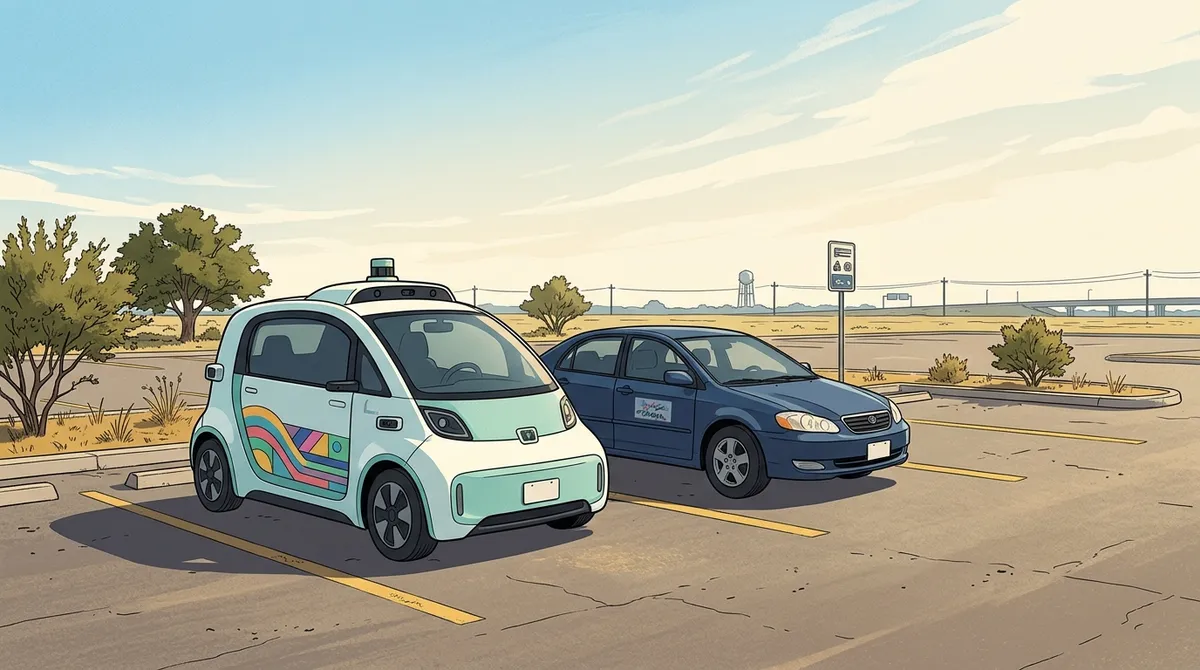
Cybercab overtakes the Model Y in Texas robotaxi registrations
Sources StartupFortune
What happened: Texas DMV registration data shows 573 registered Cybercabs versus 507 Model Ys, which puts Tesla's purpose-built two-seater ahead of the retrofitted Model Y among robotaxis registered in the state.
What's genuinely new: The registered-count split between the two vehicle types — 573 to 507 — is the first published registration breakdown of the Texas robotaxi fleet, arriving days after Tesla hardware chief Lars Moravy said the line builds robotaxis faster than the company can deploy them.
Watch: Whether the registrations translate into an active driverless fleet (the gap between vehicles on paper and vehicles carrying riders has run wide). Next registration refresh. How the federal safety-certification audit of the Texas fleet and the pending school-zone petition account for a fleet that keeps growing and shifting to the controls-free design.
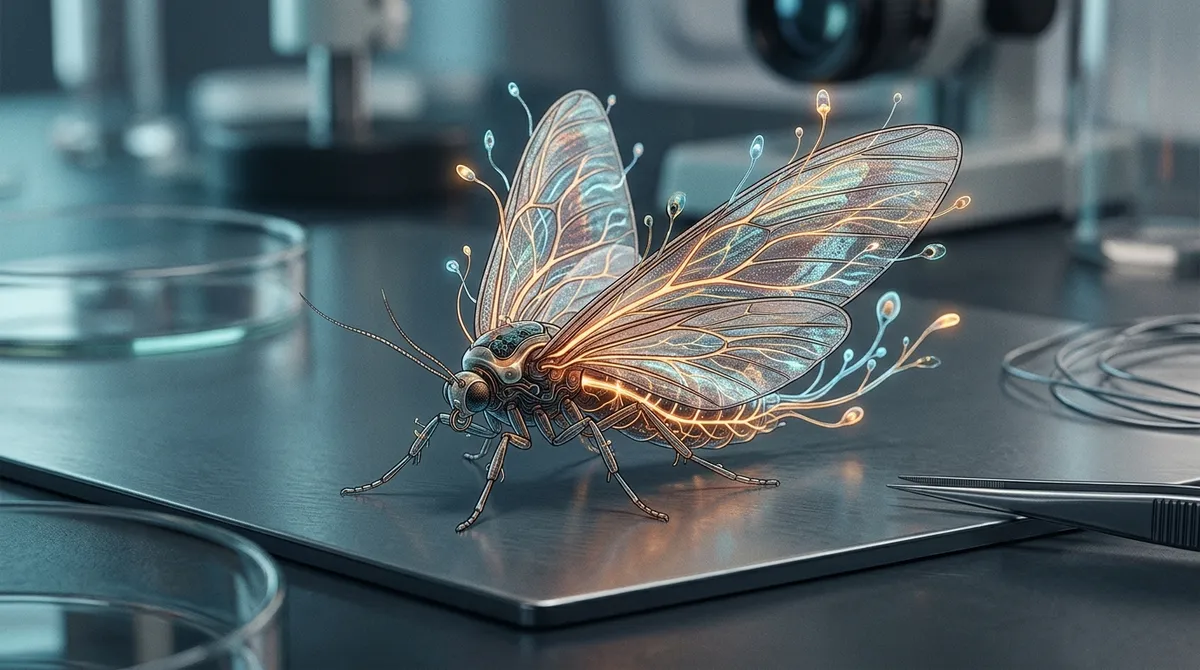
A moth-sized robot grows its own working sensors from artificial blood
Sources Istituto Impariamo
What happened: Researchers built a moth-inspired robot that grows working light sensors directly on its body, on demand, using an artificial blood circulating inside the machine — the sensors are grown into the robot rather than assembled as add-on hardware, in the pattern of a biological vascular system.
What's genuinely new: A working demonstration that a robot can produce its own functioning sensing hardware rather than being fitted with it, a step toward machines that repair or extend themselves. The research team, institution and underlying paper are not named in the report; no independent coverage of the work has surfaced yet, so the claim rests on a single outlet.
Watch: The lab behind the work and where the results are published. Whether the method extends past light sensors to other senses, and whether an independent team reproduces it.
Brief
- Yanfeng International has signed a robotics partnership, announced around October 28, that would move its automotive work beyond demonstrations toward repeatable production use; the counterparty and deal terms are not detailed in the reporting, and no independent coverage has appeared.