AST SpaceMobile to build its own rockets, buying Firefly engines in a $1.3 billion deal
From the Space digest for Nov 6, 2026
Sources PCMag SpaceNews Firefly Aerospace Ars Technica
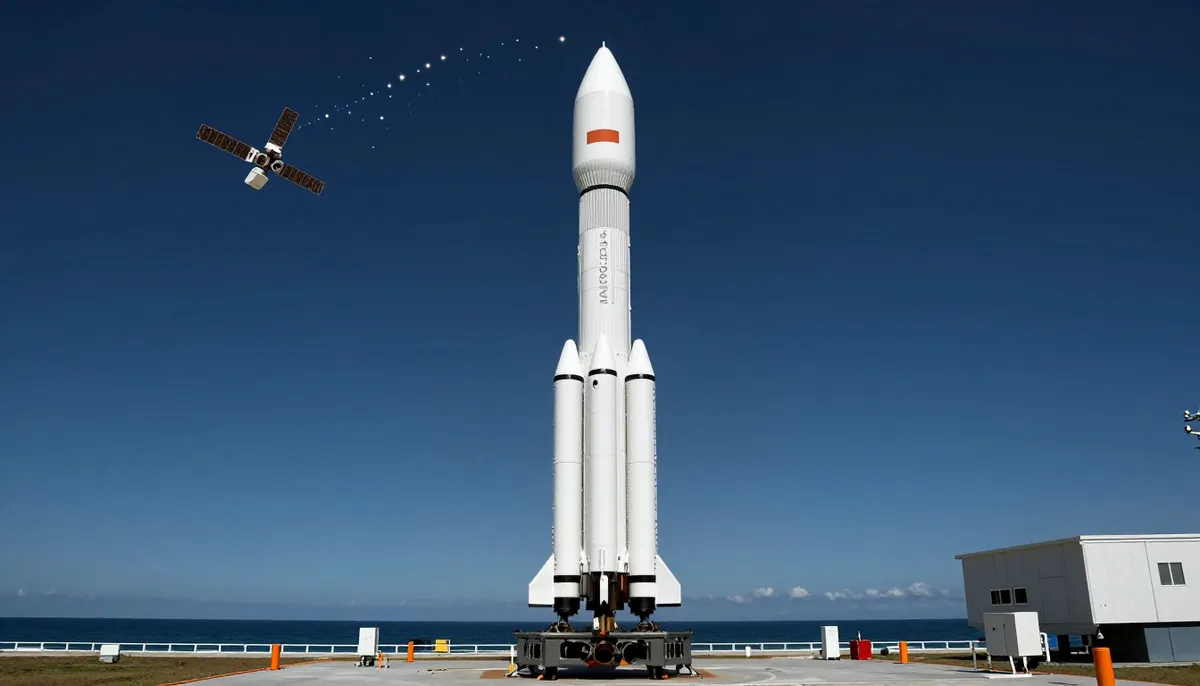
What happened: AST SpaceMobile is moving from building satellites into building launch vehicles. Facing delays that have left only 13 satellites in orbit against a goal of operating 45 by the end of this year, the satellite-to-phone company says it will develop its own heavy-lift rocket, "Blacklift," a 20-ton-class reusable vehicle able to carry five BlueBird satellites per launch, with flights targeted from late 2028. The engines come from a deal valued at more than $1.3 billion with Firefly Aerospace: 27 Miranda engines and nine vacuum-variant Vira engines for the first three Blacklift rockets, a licence for AST to manufacture the engines itself, and three years of engineering support. Firefly's Miranda and Vira technology will also power a separate medium-lift "Eclipse" rocket AST has slated for 2027, with roughly 18 tons to low Earth orbit. CEO Abel Avellan framed the move against launch providers: "We are done waiting." AST already holds agreements with external launch providers for more than 100 BlueBird launches in 2027 and 2028; the rocket plan follows July comments that the company would vertically integrate to mitigate third-party launch risk, sharpened when Blue Origin's New Glenn exploded on a ground test in May and paused launches. The stock has slid from a high of $133 in May to roughly $28, investor skepticism around taking on rocket development is running hot, and AST says it will detail the plans further on its November 12 earnings call.
What's genuinely new: the signed engine agreement and the Blacklift program itself — a mobile-satellite operator taking on launch development, with a named supplier, engine counts and an early-2028 delivery horizon for the first three rockets, one day after AST announced a Space Force contract amid a broad space-stock sell-off. An independent historical read on the schedule: since 2015, companies announcing medium- and heavy-lift rockets in AST's size class have needed five to nine years from announcement to first orbital launch — only ULA's Vulcan has reached orbit, in 8.7 years with federal support — which puts AST's late-2028 Blacklift target at the optimistic edge of the fastest precedents.
Watch: the November 12 earnings call detail on the rocket plans, whether the 45-satellite year-end goal is re-dated, and Blacklift's late-2028 schedule against a company still scaling deployment.