Google adds TPU 8tx and 8i Max to its eighth-generation chip line
From the AI digest for Nov 9, 2026
Sources The Information TPU 8tx uses the same silicon as the 8t paired with 5th Gen AMD EPYC CPU hosts for hardware-level confidential computing, while 8i Max packages two 8i chips together expected to be installed in Google's data centers sometime in 2027, with the company yet to disclose how it will price them published Nov 9, 8:38 AM ET
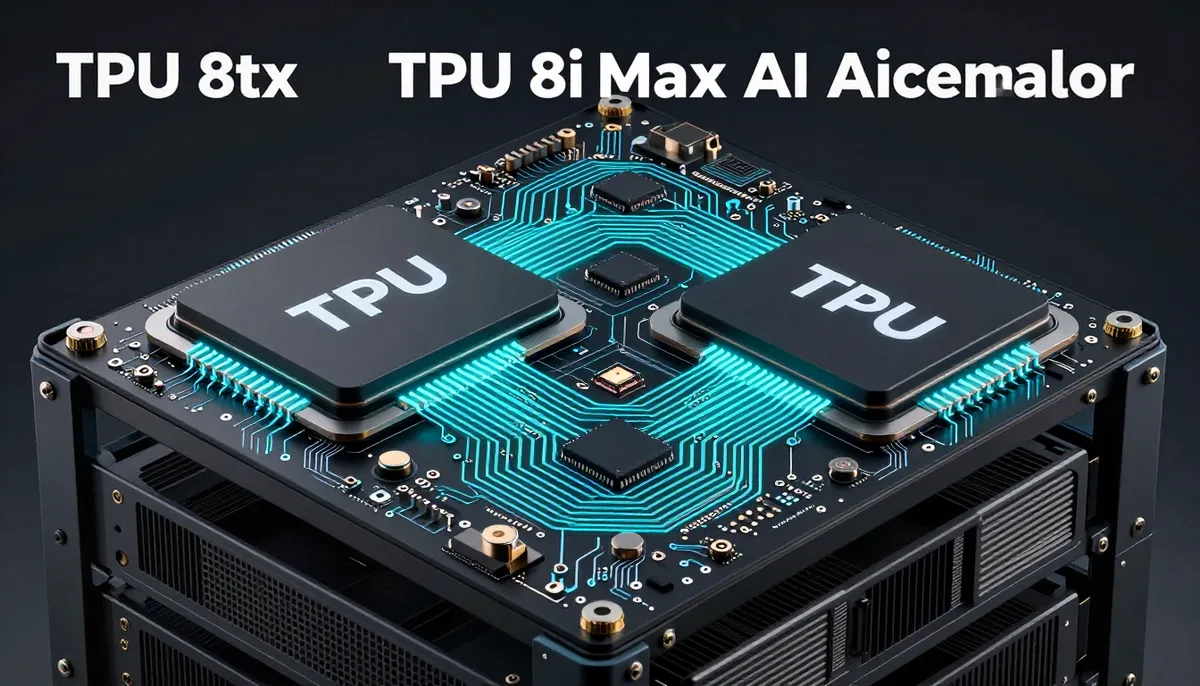
What happened: Google announced two new TPU systems — the TPU 8tx, purpose-built for secure, confidential inference, and the TPU 8i Max, built for massive context windows and the highest compute density per rack. Infrastructure chief Amin Vahdat called it the first time Google has introduced four distinct TPU systems in a single generation, all within one year, as its chip business competes with Nvidia's grip on AI compute. Google says the two additions are new system configurations around existing silicon rather than new chip designs: the TPU 8tx uses the same silicon as the 8t paired with 5th Gen AMD EPYC CPU hosts for hardware-level confidential computing, while 8i Max packages two 8i chips together to double compute, SRAM and HBM bandwidth. In the same post Google says TorchTPU, which it open-sourced last month, runs PyTorch code and Hugging Face models natively on TPUs with no rewrites, and that its newly open-sourced TPU Sync cuts key-value transfer latency and time to first token by more than 90%, though the announcement gives no test conditions. The modified 8t and 8i variants are expected to be installed in Google's data centers sometime in 2027, with the company yet to disclose how it will price them.
What's genuinely new: The announcement came with a developer layer Google says is live: TorchTPU runs native PyTorch and Hugging Face models with no code rewrites; open-source TPU Sync cuts key-value-transfer latency by more than 90%; and Agent Compute Engine eliminates idle-compute waste. The company says the new systems are more secure than previous models and equipped for heavier workloads. What remains unshown: independent benchmarks, pricing and customer adoption.
Watch: independent performance data, customer adoption against Nvidia, published specs for the chips, and pricing.