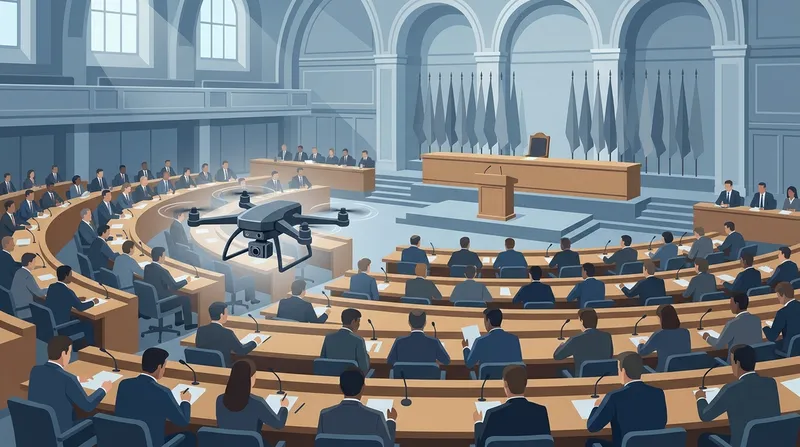
Autonomous weapons treaty fight at CCW

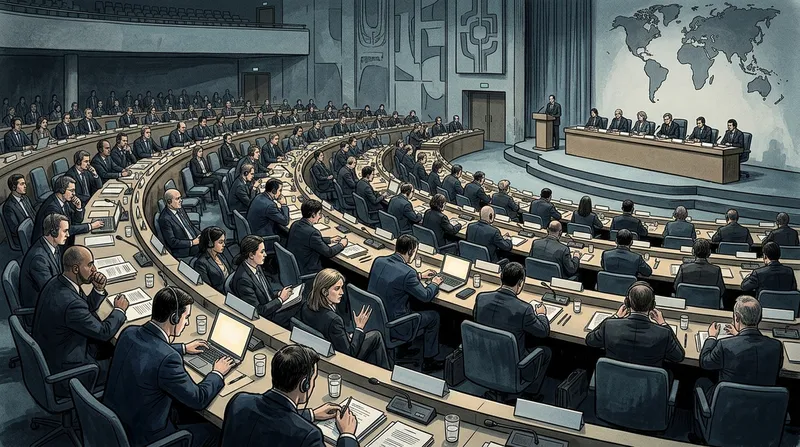
Where it stands: The UN Convention on Certain Conventional Weapons review conference in Geneva closed on November 21, 2026 with a mandate to elaborate an instrument on lethal autonomous weapons by 2028, short of the legally binding rules that about 100 countries had backed. The United States, Russia and Israel opposed binding rules, and Russian procedural objections cancelled some formal sessions. Next to watch: whether talks move to a process outside the consensus-based convention, and whether the 2028 text ends up binding.
Latest
- the Geneva conference closes with a mandate to "elaborate" an instrument on lethal autonomous weapons by 2028, not the legally binding rules about 100 countries backed. The US, Russia and Israel opposed binding rules, and Russian procedural objections cancelled some formal sessions. Development of the November 16 storyline: the expected US opposition to launching negotiations held, and the outcome is a two-year elaboration track with binding status left open. Watch: whether a process forms outside the consensus-based convention, and whether the 2028 text is binding.

AI image CNBC — cnbc.com/2026 NPR — npr.org/2026
- — Headline: Autonomous weapons treaty fight — (Newsweek — newsweek.com · RobotsBeat — robotsbeat.com): the US is expected to oppose launching negotiations on a legally binding treaty on autonomous weapons at the Convention on Certain Conventional Weapons' Seventh Review Conference, running November 16–20, 2026 in Geneva: a November 4 US working paper proposes five more years of expert-group work toward a nonbinding instrument, arguing existing international humanitarian law suffices and that autonomous functions can reduce risks to civilians. UN Secretary-General António Guterres urged binding prohibitions and restrictions as the conference opened; UN human rights chief Volker Türk called on states to agree binding rules "before it is too late." Stop Killer Robots counts about 130 countries supporting a legally binding instrument against roughly a dozen, including the US, Israel and Russia, with the conference's 128 states parties deciding by consensus. Watch: whether the conference authorizes negotiations, the expert-group path's fate, and pressure to move outside the CCW process.
AI image