Largest land remediation project at UK's Harwell nuclear site completed
From the Energy digest for Nov 10, 2026
Sources World Nuclear News published Nov 10, 4:13 AM ET
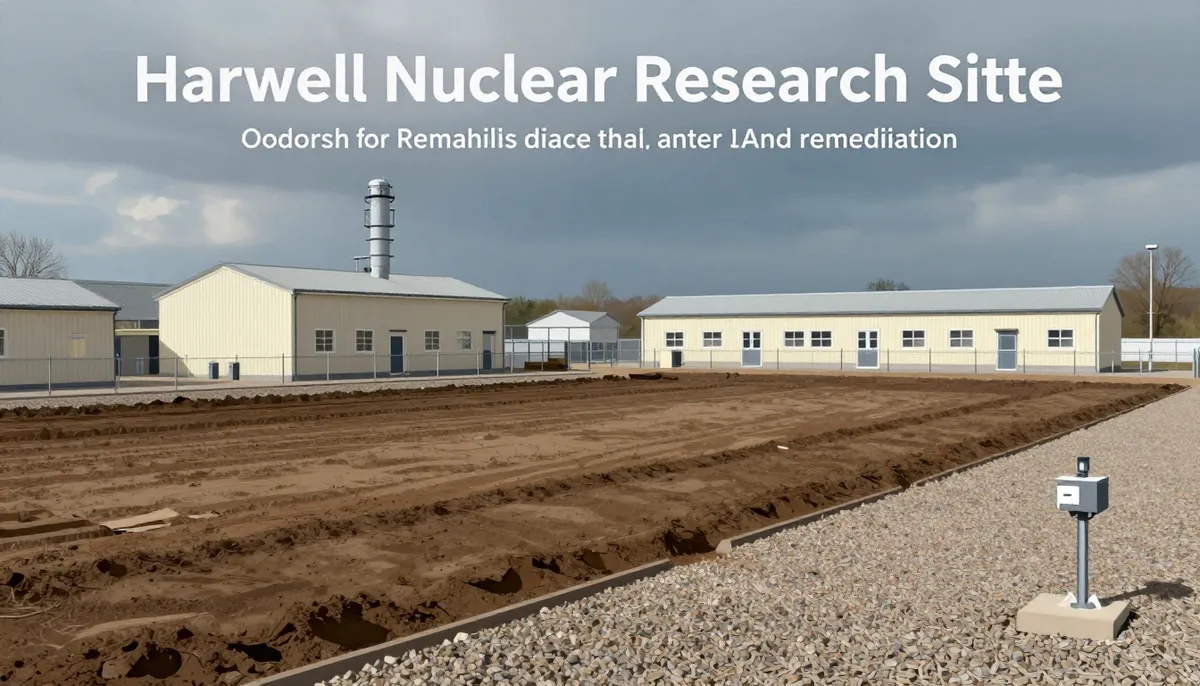
What happened: Nuclear Restoration Services, a subsidiary of the UK's Nuclear Decommissioning Authority, has completed its largest ever land remediation project — restoring 4.2 hectares at the Harwell nuclear research site in Oxfordshire where the former Liquid Effluent Treatment Plant and the neighbouring Sewage Farm Area once stood. The plant, built in 1948 to treat liquid waste from Britain's first Atomic Energy Research Establishment (established 1946), handled waste from across the site before discharge through a dedicated pipeline to the River Thames, and also took higher-activity liquid waste; it ceased operations in 2013. Per World Nuclear News, more than 97,000 tonnes of material were removed, including buried tanks, pipelines, pumping stations and reinforced concrete structures as deep as 10 metres below ground. A new sustainable-drainage pond on the former Sewage Farm Area now manages surface water and provides wildlife habitat. The land now enters final regulatory stages — delicensing and surrender of the environmental permit — before potential future use within the growing Harwell Science and Innovation Campus, where 11 of the site's 14 research reactors have already been removed and about 25 percent of the original site released for redevelopment.
What's genuinely new: Physical completion of the LETP and Sewage Farm remediation — Harwell's biggest land-restoration job — moving the restored ground into its final delicensing and permit-surrender stages.
Watch: delicensing of the restored land and surrender of the environmental permit, plans to demolish 16 redundant buildings, and continued reduction of the site's nuclear materials inventory.