Data-center pauses now promised in 12 states after the Democratic sweep
From the AI digest for Nov 5, 2026
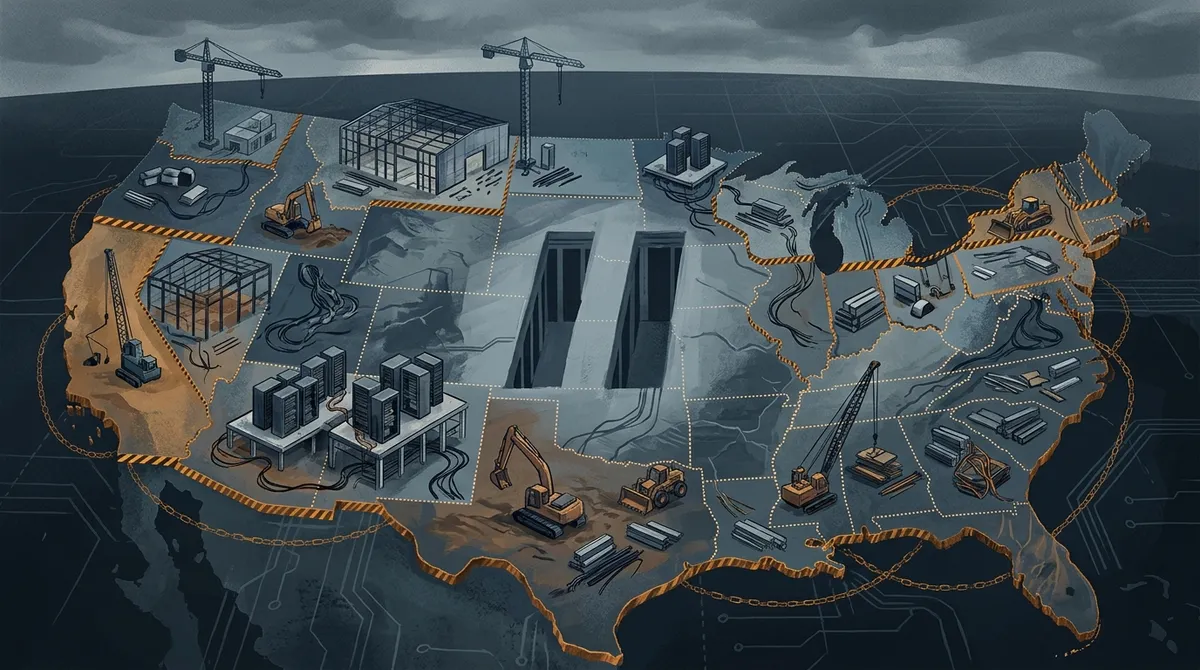
What happened: In 12 states — Alaska, Georgia, Kansas, Maine, Michigan, New Hampshire, New Mexico, New York, Ohio, Oregon, Texas and Wisconsin — the winning or leading candidate in the November 3, 2026 gubernatorial races called for a pause on data-center development, and winners in even more states have pledged other restrictions, including ratepayer protections, environmental limits and the elimination of tax incentives for data-center builders. In Texas, Democrats won the governorship (Gina Hinojosa) and a US Senate seat for the first time in decades, leaving the state's fast-growing data-center industry — and its most prominent tech investor, Elon Musk — facing regulatory uncertainty.
What's genuinely new: The named 12-state map of moratorium-supporting governorships is the first full geography the reporting attaches to the post-election backlash, and the companion analysis argues the Democratic victories were at least partly driven by voter anxiety about AI and tech, with data-center regulation likely among the winners' first legislative priorities. In California, Proposition 40 — the one-time 5% tax on billion-dollar fortunes — was trailing with 56.5% of voters against as about half the ballots were counted. Big-tech stocks rallied after the vote as investors read any AI-buildout slowdown as hurting smaller AI companies more than incumbents.
Watch: whether the winning governors actually move pauses, permitting limits and grid/water cost rules into law; whether announced Texas projects are rerouted or cancelled; and whether Proposition 40's count holds in its final tally.
Links: The Information · The Information · The Information · The Information · Nov 4, 12:09 PM ET