Musk and a NASA safety panel clash over how many refueling flights Starship needs to reach the Moon
From the Space digest for Nov 5, 2026
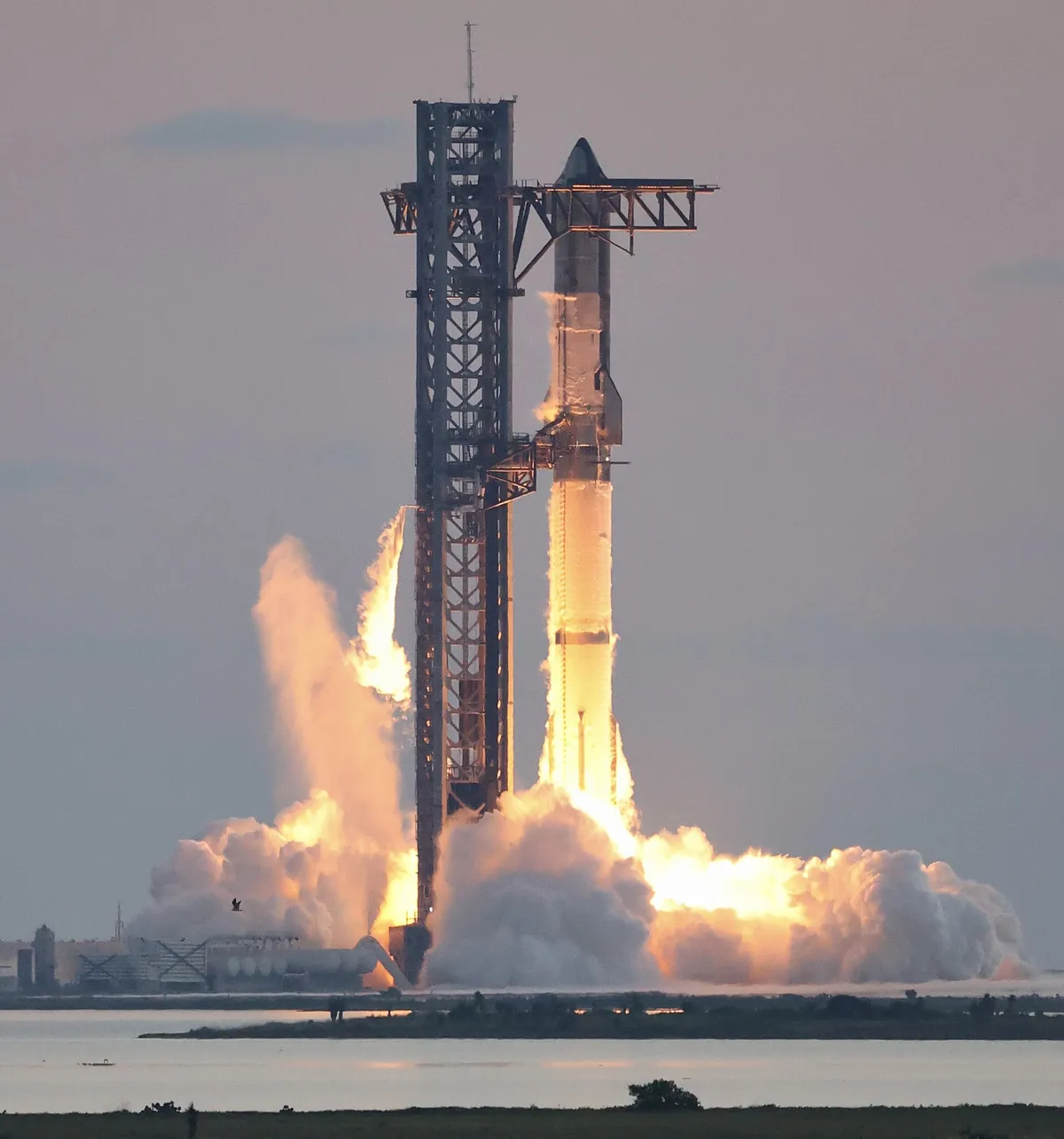
Sources The Independent Benzinga via Yahoo Finance
What happened: Elon Musk has publicly rejected a NASA safety panel's estimate of how many refueling flights Starship needs before it can fly astronauts to the Moon. Charlie Precourt, a former astronaut on NASA's independent Aerospace Safety Advisory Panel, put the figure at "around 22" in-orbit refuelings at an October 22 meeting; Musk wrote on X that "Actual number will be more like 6 to 8." NASA's Artemis program manager Jeremy Parsons sided with him the next day — "We were definitely not tracking as high as 22" — while Administrator Jared Isaacman called the lower figure Starship's "ultimate potential end state." Company president Gwynne Shotwell said SpaceX aims to attempt Starship-to-Starship propellant transfer in orbit in early 2027.
What's genuinely new: Musk's rebuttal in his own words, NASA's program manager openly siding with the lower count, and the framing that the planned 2027 propellant-transfer demonstration — never yet tried between two Starships — will be the first hard test of which estimate is right. Blue Origin's competing lander approach, four launches to the Moon including the lander without on-orbit refueling, sharpens the decision: NASA has opened the first 2028 landing opportunity to both companies and will choose whichever is ready first.
Watch: the propellant-transfer attempt in early 2027, and whether the flight-count dispute shapes NASA's choice between the two landers for the 2028 landing.