Galactic Energy's Ceres-2 flies its first confirmed successful orbit
From the Space digest for Nov 8, 2026
Sources Tech Times Shattered
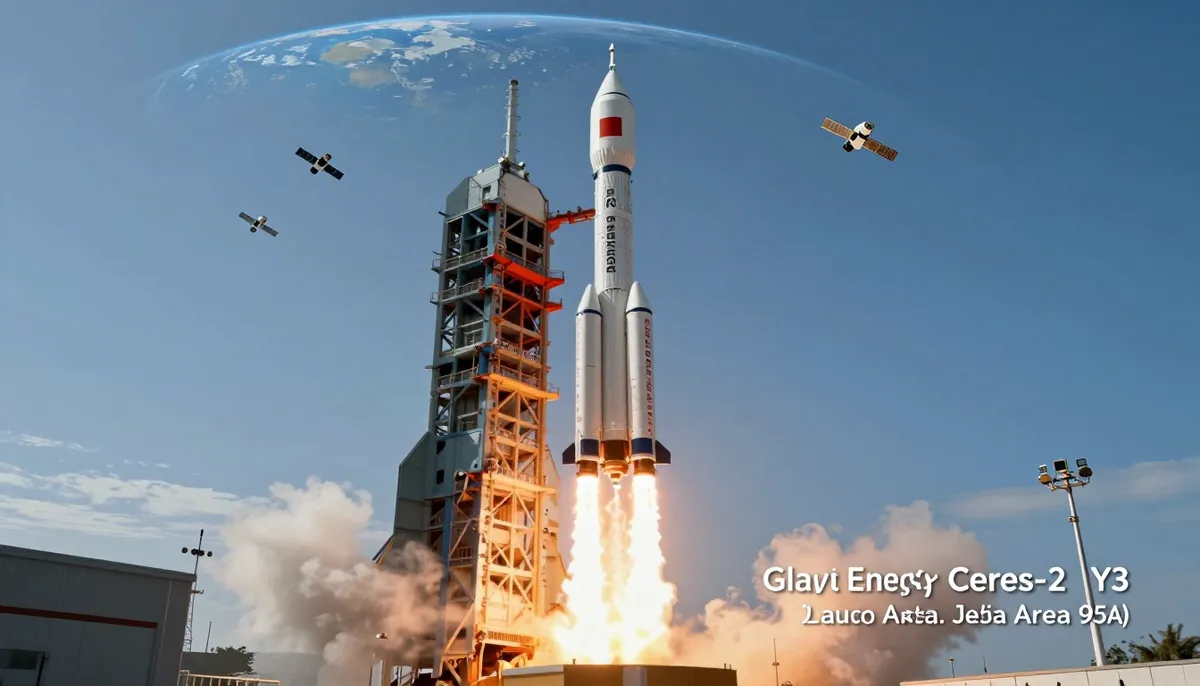
What happened: Galactic Energy's Ceres-2 Y3 rocket lifted off from Launch Area 95A at the Jiuquan Satellite Launch Center at 23:37 UTC on November 6 (7:37 am Beijing time on November 7) and placed four satellites into a 535 km sun-synchronous orbit — the vehicle's first confirmed successful flight after its January 17, 2026 debut failed shortly after liftoff. The payloads span earth observation (Guanlan Shiyan), weather nano-satellites (Yunyao-1 28, the newest in a GNSS-occultation constellation planned at 90 satellites, whose data China's national weather agency already uses operationally), a university technology demonstrator (Zhongbei Daxue-1) and an X-band radar-imaging satellite (Juntian-1 06A). A five-month investigation completed in June traced the January failure to a manufacturing flaw in the first-stage solid motor's nozzle throat liner — its inadequately supported rear section shifted under load and let hot gas destroy the nozzle — with corrective structural changes verified by ground testing before this flight (Tech Times, Shattered).
What's genuinely new: The first successful orbital mission and the in-flight validation of the nozzle fix; independent tracking databases confirm the corrected design holds the vehicle's stated ratings (up to 1.3 tonnes to 500 km sun-synchronous orbit).
Watch: The next Ceres-2 flight and whether the mission-count bookkeeping (Y2 as a ground-test article) resolves, and Galactic Energy's Pallas-1 booster landing attempt targeted for 2027.