SR-1 Freedom team lays out space reactor startup and ground-test plans
From the Energy digest for Nov 23, 2026
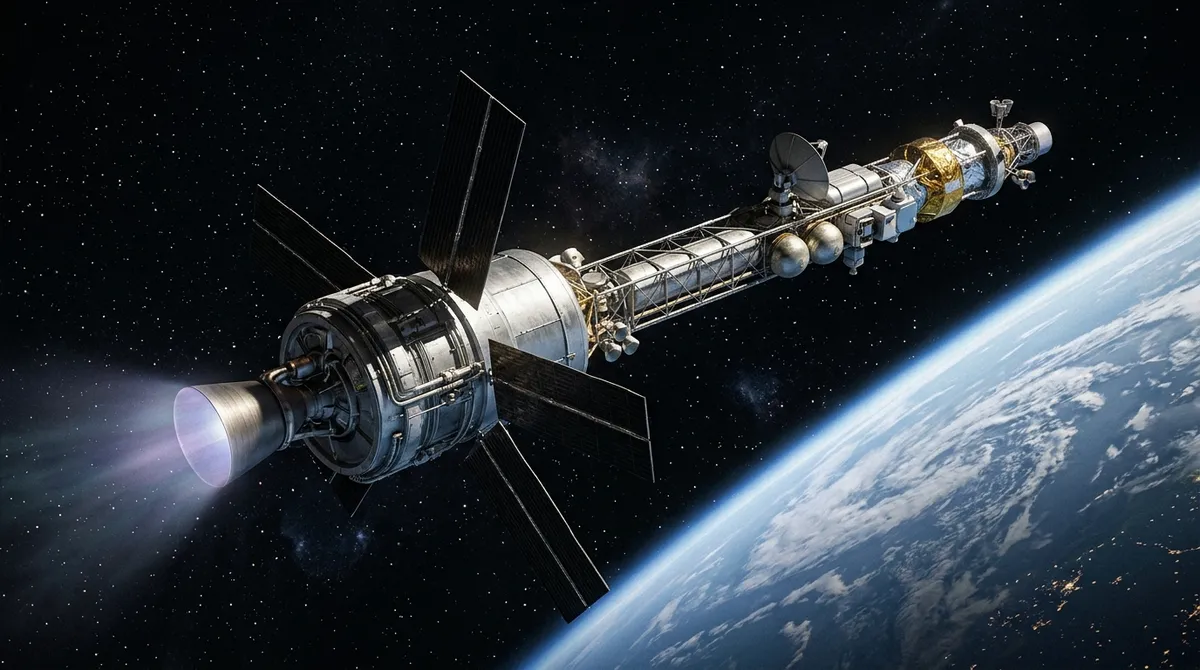
Sources American Nuclear Society published Nov 23, 5:16 PM ET
What happened: Panels at the American Nuclear Society Winter Conference in Phoenix laid out how Space Reactor-1 Freedom — the Idaho National Laboratory-led program aiming to be the first demonstration of nuclear propulsion in space — would actually run. After launch, the reactor is started up under Department of Energy procedures, with a DOE reactor operator sitting next to a NASA operator at Johnson Space Center and about seven days of checks before the reactor is shut down again until the Skyfall payload is delivered to Mars; afterward it restarts for testing that may include purposely failing components. Control is automated with human stopping points, not autonomous.
What's genuinely new: the mission's startup sequencing and the ground-test schedule — the VALKRE test reactor at Idaho National Laboratory, which will operate flight control hardware to the zero-criticality point, is scheduled to go critical in the summer of 2027, with zero-power criticality testing of SR-1 itself also planned at INL and an engineering demonstration unit in development. NASA Administrator Jared Isaacman has described SR-1 as a "70 percent solution to prove that it works"; program lead Dianne Ezell called it a "C+ reactor" whose data helps industry build a better one. SR-1 is also designed to support a lunar reactor, LR-1, and a later SR-2 mission.
Watch: VALKRE's summer 2027 criticality, the engineering demonstration unit and zero-power testing, and SR-1's launch schedule.