Robots digest — Nov 1, 2026
Top line: Amazon CEO Andy Jassy confirms the company runs more than a million warehouse robots — and says they will replace many repetitive warehouse jobs. In Texas, the purpose-built Cybercab has overtaken the retrofitted Model Y among registered driverless robotaxis, 573 to 507. Tesla's 46-day teardown of the Model S line at Fremont clears ground for Optimus production.
- Jassy confirms Amazon's million-robot fleet, and says robots will replace many repetitive warehouse jobs
- Cybercab overtakes the Model Y in Texas robotaxi registrations
- Tesla tore down the Model S line in 46 days to make room for Optimus
- A moth-sized robot grows its own working sensors from artificial blood
Jassy confirms Amazon's million-robot fleet, and says robots will replace many repetitive warehouse jobs
Sources Benzinga
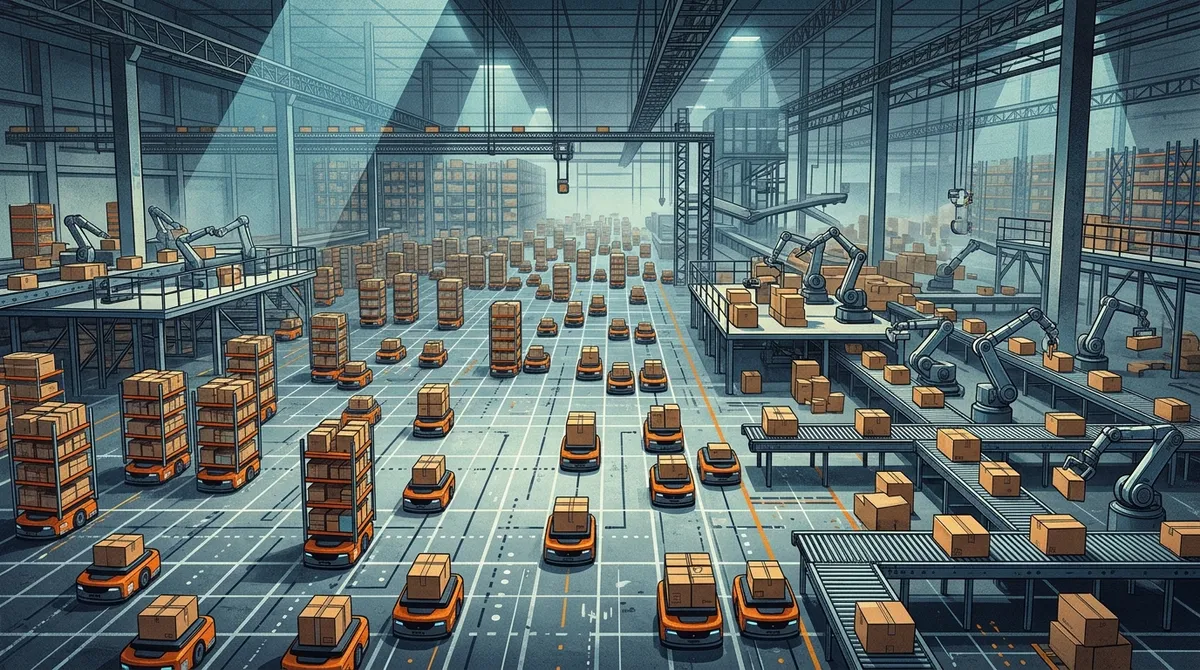
What happened: Amazon CEO Andy Jassy says the company now has more than a million robots in its fulfillment network, and that robots will replace many of the repetitive warehouse jobs people do — with an impact he frames as much bigger in fulfillment. The million-robot fleet was first reported in mid-October against Amazon's roughly 1.5-million-strong workforce; this is Amazon's own chief executive confirming that scale.
What's genuinely new: The direct CEO confirmation of the fleet size — October reports carried the million-robot figure through company-adjacent coverage with no named company voice — and Jassy's first statement on job replacement, moving the question from outside analysis into Amazon's own words.
Watch: What the replacement language converts to — staffing and pace-of-work changes at robotic sites such as Tracy, California, robotics-per-worker trends, and answers to the injury and safety questions raised in October coverage. The fuller fulfillment-impact claim behind the "much bigger" framing.
Cybercab overtakes the Model Y in Texas robotaxi registrations
Sources StartupFortune
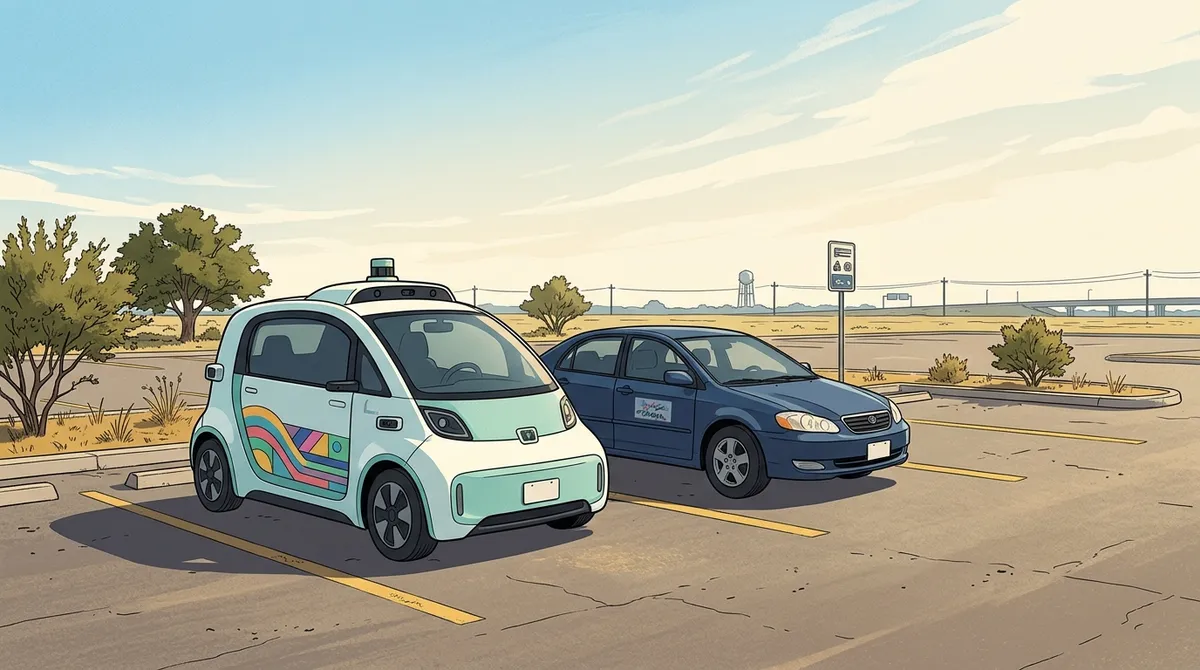
What happened: Texas DMV registration data shows 573 registered Cybercabs versus 507 Model Ys, which puts Tesla's purpose-built two-seater ahead of the retrofitted Model Y among robotaxis registered in the state.
What's genuinely new: The registered-count split between the two vehicle types — 573 to 507 — is the first published registration breakdown of the Texas robotaxi fleet, arriving days after Tesla hardware chief Lars Moravy said the line builds robotaxis faster than the company can deploy them.
Watch: Whether the registrations translate into an active driverless fleet (the gap between vehicles on paper and vehicles carrying riders has run wide). Next registration refresh. How the federal safety-certification audit of the Texas fleet and the pending school-zone petition account for a fleet that keeps growing and shifting to the controls-free design.
Tesla tore down the Model S line in 46 days to make room for Optimus
Sources Shattered.io
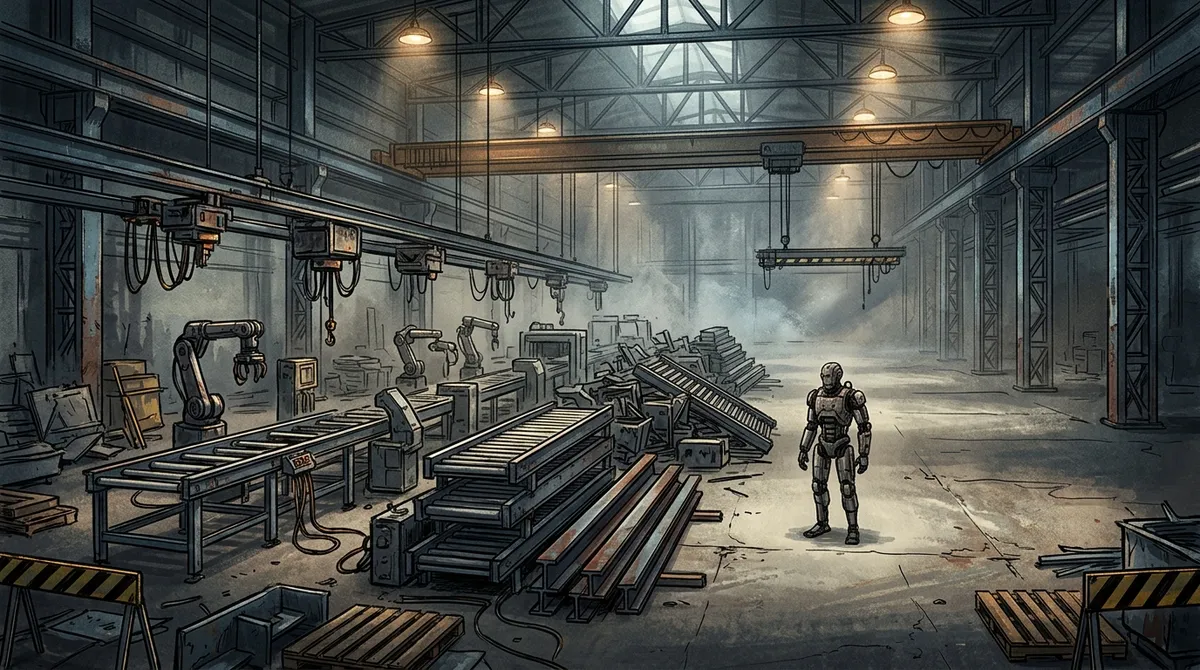
What happened: Tesla took 46 days to rip out the Model S production line at its Fremont factory to clear space for Optimus robots, Shattered.io reports, with the rebuilt production space framed around a goal of a million robots a year.
What's genuinely new: The 46-day figure — the first published timeline for how fast Tesla converted the plant. The retirement of the Model S/X lines and the start of Optimus mass production at Fremont were already confirmed in the company's Q3 earnings coverage; the million-a-year goal remains a stated capacity plan rather than measured output.
Watch: Actual output off the rebuilt line against the 20,000-robots-a-week pace Tesla has targeted for late 2027 — and the gap to a million a year, which needs roughly triple that. Whether a first external Optimus customer emerges.
A moth-sized robot grows its own working sensors from artificial blood
Sources Istituto Impariamo
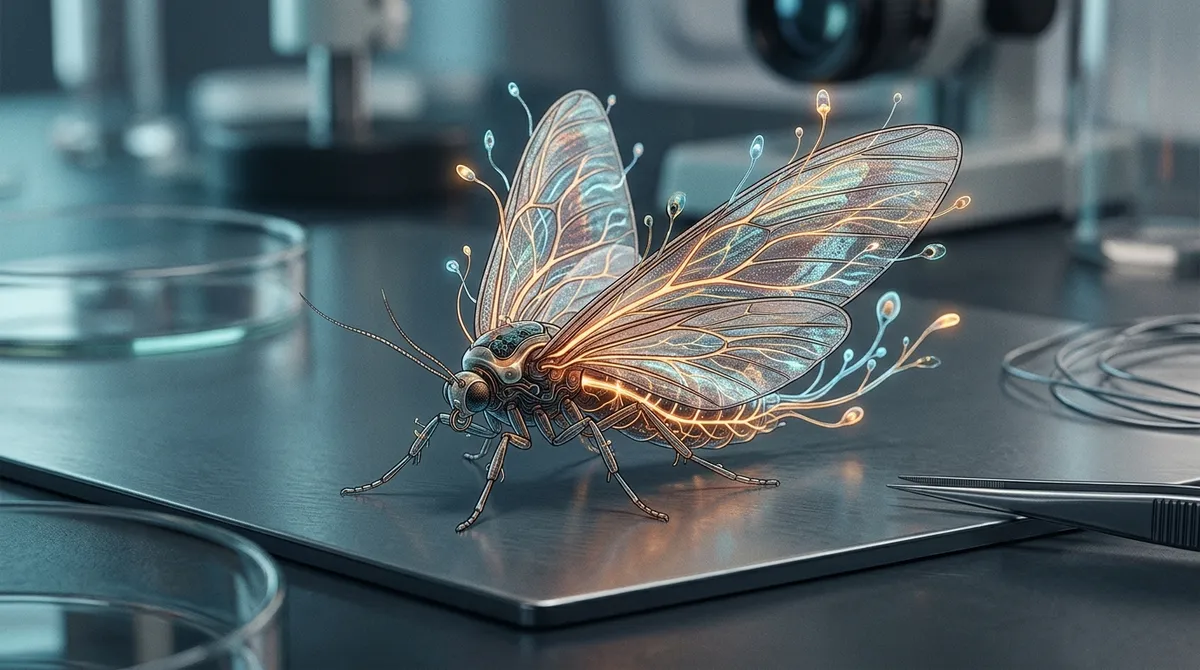
What happened: Researchers built a moth-inspired robot that grows working light sensors directly on its body, on demand, using an artificial blood circulating inside the machine — the sensors are grown into the robot rather than assembled as add-on hardware, in the pattern of a biological vascular system.
What's genuinely new: A working demonstration that a robot can produce its own functioning sensing hardware rather than being fitted with it, a step toward machines that repair or extend themselves. The research team, institution and underlying paper are not named in the report; no independent coverage of the work has surfaced yet, so the claim rests on a single outlet.
Watch: The lab behind the work and where the results are published. Whether the method extends past light sensors to other senses, and whether an independent team reproduces it.
Brief
- 247wallst: Elon Musk says robot RAM demand will outpace everything else on Earth, putting humanoid robots at the top of the memory-demand stack — a wide claim from the X post itself, with no unit counts, usage figures or timeline attached.
- Yanfeng International has signed a robotics partnership, announced around October 28, that would move its automotive work beyond demonstrations toward repeatable production use; the counterparty and deal terms are not detailed in the reporting, and no independent coverage has appeared.
- ThePricer estimates insurance for a $20,000 1X NEO home robot at roughly $200 to $400 a year against theft and damage — an estimate, not a published policy, and currently a single outlet.
- The Next Web adds hardware detail to the Meta–Fourier "Max" prototype report: the humanoid runs on Nvidia's Jetson Thor compute, has five-fingered hands and a face screen, and a second version is in development — a detail layer on The Information's unnamed-source report of October 31, with neither company confirming the prototype. tbreak adds that work on the second version, Max 2, has been under way since September.
- Robot traffic police were on duty at the 2026 Hangzhou Marathon on November 1, supplied by DEEP Robotics (Global Times), with RobotsBeat naming the model as the Hangxing No. 2 humanoid, which supported traffic guidance, patrols and public information around Huanglong Sports Center — a public demo of the traffic-management humanoids the company showed in Hangzhou earlier in October, no unit counts in the reporting.
- New Atlas reports that Beijing company NeoDradynamics has presented the Neo-1, a 13-foot hydraulic humanoid aimed at dangerous jobs humans avoid — a single-outlet report of a staged reveal, with no specs, ordering or deployment details in the coverage.
- South Korean companies showed humanoid components, dual-arm machines and autonomous-driving systems at the FIX 2026 expo (Digitimes) — a trade-show roundup with no named deployments, customers or orders.
- The Robot Report: security firm VicOne says AI-assisted research surfaced 28 zero-day findings in under two days across software supporting the physical-AI ecosystem — vendor-self-reported, with no independent confirmation or disclosure of which products are affected yet.
- PR Newswire: FF EAI Robotics (FFR) says in chief executive YT Jia's weekly investor update that it sold and shipped 351 robot devices in October, another monthly record, up from September's 265 — the first shipment figure since the Nasdaq listing closing and the company's first investor day in New York, issuer-release grade with no model breakdown in the release.
- Crypto Briefing: China's embodied-AI robot makers raised $13 billion in the first half of 2026 as the industry shifts from building robot bodies toward the AI "brains" that run them — a single-outlet aggregate figure, with no underlying report named in the coverage yet.