Energy digest — Nov 12, 2026
Top line: Constellation signed the first Peak+ contract, a 20-year deal for 270 MW of nuclear output, and put its uprate program at $4.3 billion. Oklo signed multi-year HALEU contracts with Centrus for its Meta-backed Ohio campus. X-energy's quarterly report since the NRC's Dow Long Mott permit showed $66.3 million in revenue and grant income, up 118%.
- Constellation signs the first 270-MW contract under its Peak+ program
- Oklo and Centrus sign HALEU supply deals for Ohio campus
- Turkey weighs up to six Candu reactors under a new AtkinsRéalis agreement
- X-energy reports third-quarter 2026 results
- UK Fusion Energy opens £115 million tender round for the STEP fusion plant
- IAEA report: fusion investment at new highs, but about $80 billion more is needed
- Mochovce 4 reaches 35% power as commissioning advances
Constellation signs the first 270-MW contract under its Peak+ program
Sources ANS Nuclear Newswire published Nov 12, 4:25 PM ET
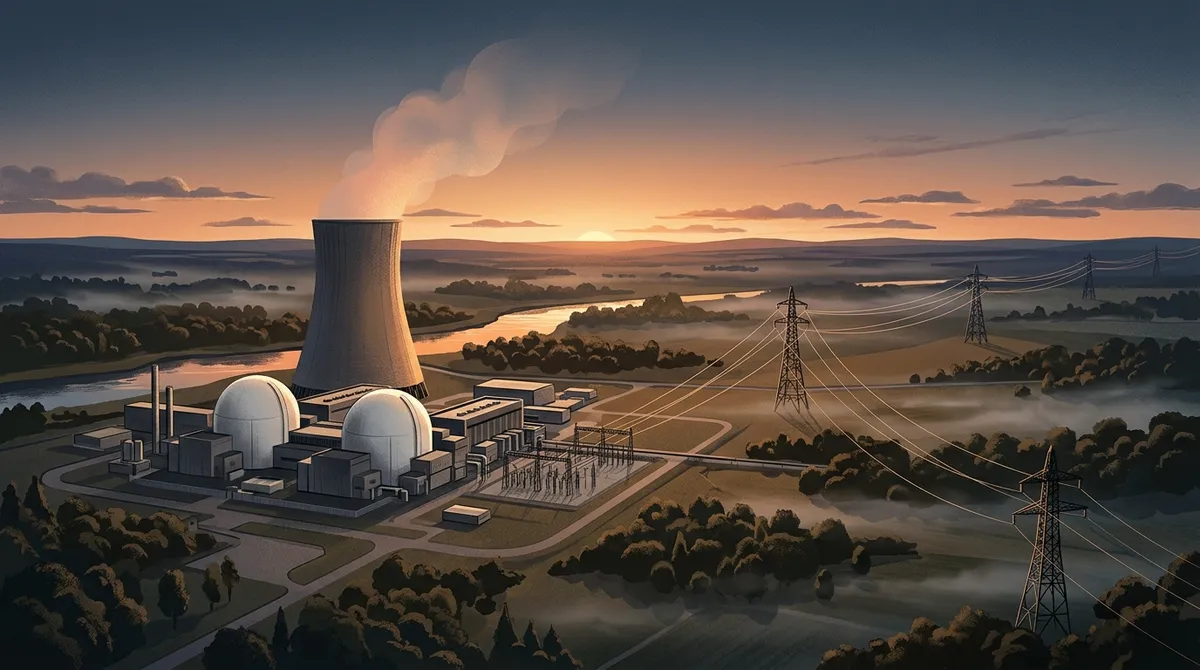
What happened: Constellation signed the first agreement under its Peak+ program — a 20-year, 270-MW contract of unit-contingent energy, capacity and attributes from its existing nuclear fleet, beginning in 2028. The customer was not disclosed; Chief Executive Joe Dominguez said Peak+ pairs support for peak demand growth with tailored energy products, potentially matching a customer with a battery storage provider. Alongside it, the third-quarter results disclosed agreements with three customers totaling 4,560 MW, of which 1,165 MW is new nuclear capacity through ongoing and planned uprates estimated to cost $4.3 billion — including about $1.3 billion of uprate investment in 2026–2027, with a conditional Department of Energy loan of up to $5 billion covering as much as 80% of eligible costs from 2023 to 2035. Dominguez also said the Crane Clean Energy Center restart (the former Three Mile Island Unit 1) remains on track for the second half of 2027, ahead of schedule, with fuel assemblies and transformers already on site after the NRC's favorable environmental finding in September.
What's genuinely new: Peak+ is a new sales program and its first contract is signed; the quarter's uprate totals, the $4.3 billion cost estimate and the 2026–2027 spending schedule were all disclosed with the third-quarter results. The nuclear fleet produced 46,677 GWh in the quarter at a 97.2% capacity factor.
Watch: the first Peak+ customer's identity, uprate spending against the $4.3 billion estimate, and the Crane restart inside the second half of 2027.
Oklo and Centrus sign HALEU supply deals for Ohio campus
Sources Oklo Securities.io
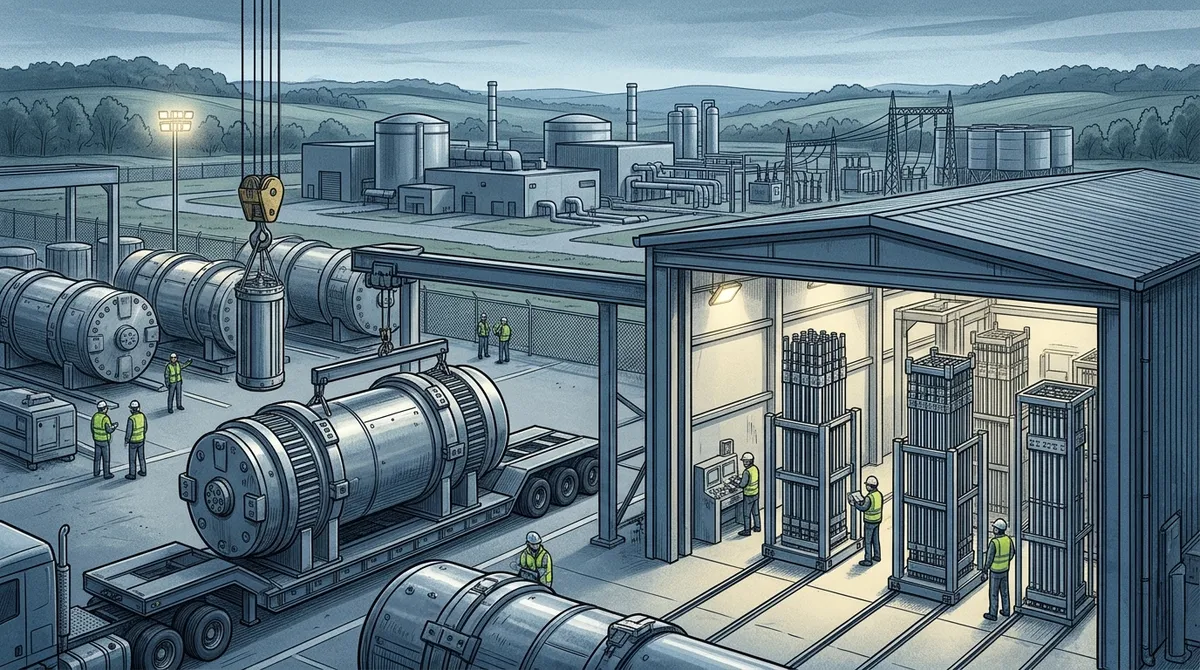
What happened: Oklo signed multiple multi-year contracts with Centrus Energy for high-assay low-enriched uranium (HALEU), with Oklo making prepayments for future deliveries. The agreements formalize a June 18, 2026 letter of intent and cover enough HALEU for up to five Aurora powerhouses over several years, extending to future Aurora deployments and later refueling of the Aurora powerhouse at Idaho National Laboratory. Deliveries from Centrus's American Centrifuge Plant in Pike County, Ohio, are scheduled to begin in 2029.
What's genuinely new: The fuel secures the first phase of Oklo's planned 1.2 GW campus on a 206-acre site Oklo owns in Pike County, on land formerly owned by the Department of Energy and intended to support Meta's regional data-center operations — with Meta's power-prepayment mechanism, agreed in January, helping fund the purchases. Oklo targets the first phase online as early as 2030 and full capacity by 2034. Centrus says it has now secured $5.4 billion in customer contracts and commitments for LEU and HALEU from its new capacity, with Chief Executive Amir Vexler saying Oklo's prepayments will help fund the buildout of its enrichment capacity.
Watch: Centrus's enrichment expansion at Piketon, the first deliveries in 2029 against the 2030 first-phase target, and progress on the Ohio campus toward the 2034 full-capacity date.
Turkey weighs up to six Candu reactors under a new AtkinsRéalis agreement
Sources World Nuclear News published Nov 12, 9:05 AM ET
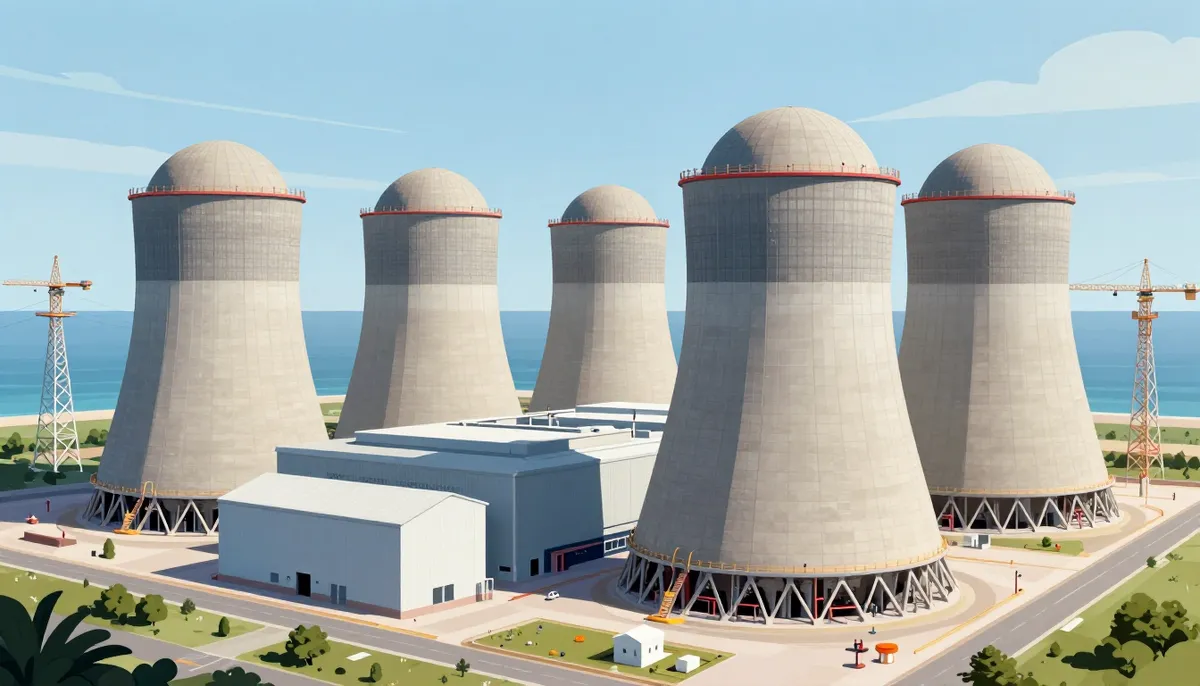
What happened: Candu Energy, the nuclear arm of Canada's AtkinsRéalis, and Turkey's state-owned Türkiye Nükleer Enerji Anonim Şirketi have signed a memorandum of agreement covering a feasibility study for a potential plant with up to six Candu reactors. The agreement, signed at COP31, tasks AtkinsRéalis with feasibility and front-end engineering design studies covering the site, infrastructure, environmental considerations, funding options and development of Turkish supply chains. CEO Ian Edwards said the study is due to be completed in May 2027, with Candu technology carrying roughly 35–40 percent of the capital cost and the rest from Turkey.
What's genuinely new: It is the first concrete step toward a large nuclear program beyond the Russian-built Akkuyu plant, where Rosatom is building four VVER-1200 reactors with unit 1 targeted to supply the grid by the end of 2026. Turkey's energy ministry is separately in talks with Canada and South Korea about new projects, according to a Bloomberg report, and targets 5 GWe of small modular capacity by 2050.
Watch: the May 2027 study's site, costing and funding framework, and Turkey's choice among potential partners.
X-energy reports third-quarter 2026 results
Sources GlobeNewswire MarketBeat Seeking Alpha MarketScreener (MT Newswires) MarketScreener (S&P Capital IQ)
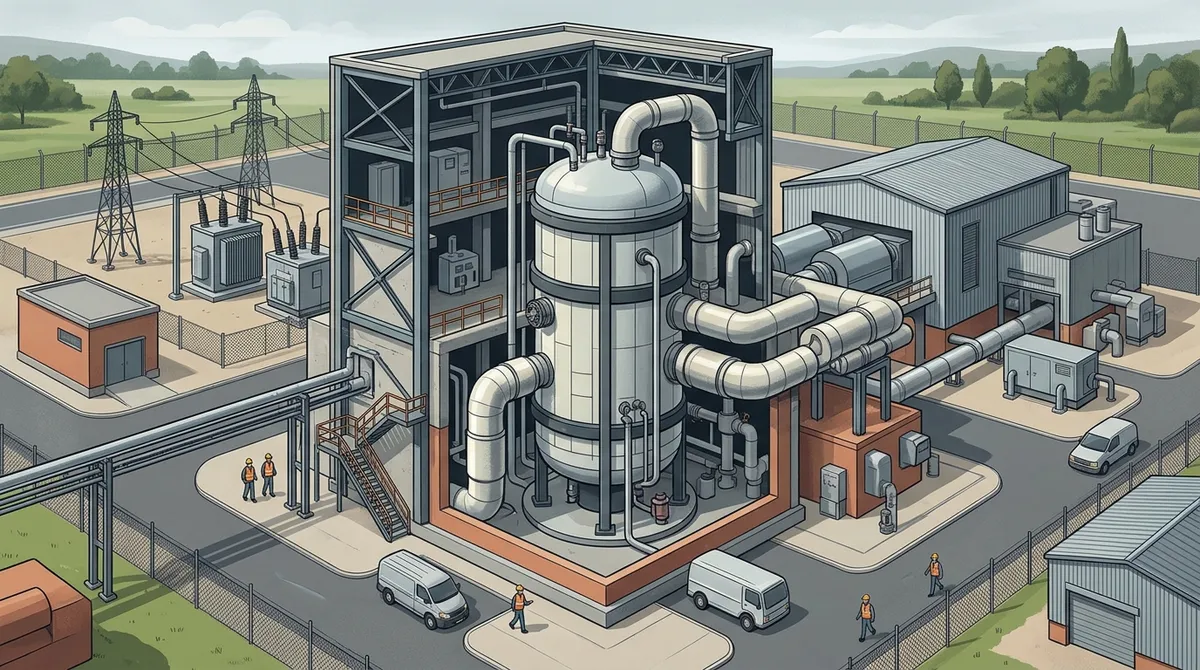
What happened: X-energy reported revenue and grant income of $66.3 million for the third quarter of 2026 — $51.5 million in services revenue plus $14.8 million in grant income tied to the Dow demonstration reactor — up from $30.4 million a year earlier. Operating expenses rose 139% to $169.9 million, operating cash use climbed to $51.2 million, and the net loss was $59.4 million, or $0.21 per share. For the nine months, revenue reached $164.4 million and the net loss $118.5 million; the company ended September with about $1.8 billion in cash and investments and no debt.
What's genuinely new: The results cover the quarter in which the NRC approved the Dow Long Mott construction permit — issued, executives said, more than a month ahead of schedule, and the first NRC construction permit for a high-temperature gas-cooled reactor in nearly 60 years. X-energy's first commercial-scale fuel facility also reached the vertical-construction milestone, and the company reports a first procurement order for steam generator tubing from Alleima and Doosan Enerbility, a Fluor engineering selection for Energy Northwest's Cascade project, a joint development agreement with American Electric Power for a 960 MW Xe-100 project in Indiana, and acceptance of the Xe-100 into the UK's Generic Design Assessment. Adjusted results came in at a loss of $0.14 per share against an analyst estimate of a $0.11 loss, per MT Newswires.
Watch: Dow's 2027 preliminary investment decision, with full-scale construction following a final investment decision; the operating-license application; and the Indiana feasibility work.
UK Fusion Energy opens £115 million tender round for the STEP fusion plant
Sources World Nuclear News ANS Nuclear Newswire published Nov 12, 3:28 AM ET
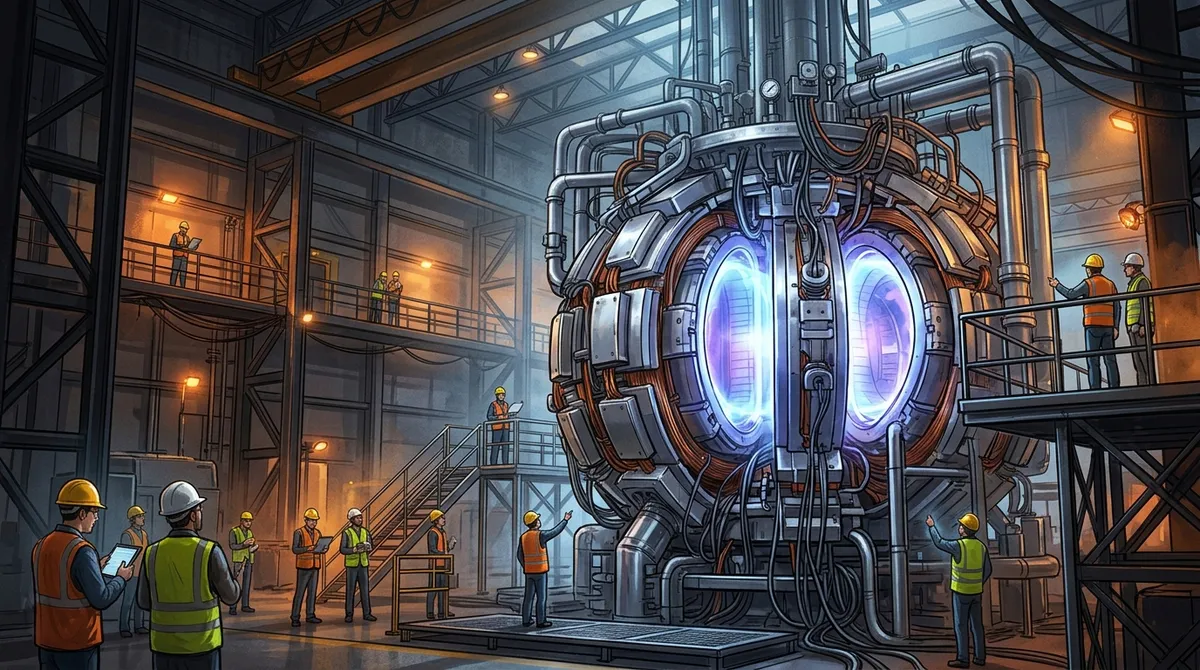
What happened: UK Fusion Energy, the UK Atomic Energy Authority subsidiary building the Spherical Tokamak for Energy Production (STEP), is seeking tenders for five engineering contracts worth up to £115 million (about US$152 million), covering the systems a prototype fusion plant needs to operate. The lots cover the breeder blanket (£20 million), the fuel cycle (£20 million), test operations (£35 million), plant control systems (£15 million) and systems engineering and whole-plant integration (£25 million). Contracts run two years with extensions to a maximum of four, and no single supplier may win more than three lots.
What's genuinely new: The plant's delivery moves beyond design and site works into system procurement: the West Burton, Nottinghamshire site was chosen in 2022, and in March the ILIOS consortium was appointed for the first three-year, £200 million (about US$267 million) tranche of design and construction. Tenders are due by January 29, 2027, award decisions are expected April 6, and contracts begin April 23, 2027. STEP targets net electricity above 100 MW from a prototype plant operating by 2040.
Watch: the April 2027 award decisions, and how the five system partners fit alongside the ILIOS site works.
IAEA report: fusion investment at new highs, but about $80 billion more is needed

Sources IAEA Fusion Industry Association NucNet published Nov 12, 11:05 AM ET
What happened: The International Atomic Energy Agency launched the fourth edition of its World Fusion Outlook at a meeting of its World Fusion Energy Group in Vienna on November 12. Private fusion companies hold US$21.9 billion in committed capital, more than 90 percent of it raised in the past five years, and 2026 annual funding is projected at a record US$7.6 billion if the current pace continues — US$4.5 billion in new funding in the twelve months to July 2026. A contributed analysis by FusionX estimates another US$80 billion in private capital over the next 20 years for the industry to reach commercialization.
What's genuinely new: The 2026 edition adds artificial intelligence (Google DeepMind on faster simulations, real-time machine control and the data-access barriers that limit its use) and EUROfusion deployment scenarios — fusion could supply anywhere from a few percent to 15–20 percent of global electricity by the end of the century, depending on deployment pace rather than first-plant dates. New industrial numbers: private companies spent more than US$530 million with suppliers in 2025, 26 fusion power plants are planned with targets from the early 2030s to the 2050s, the IAEA's facility database lists 174 facilities with privately funded ones tripled since 2021, and ITER is running ahead of its 2024 baseline schedule.
Watch: 2026's final funding total against the US$7.6 billion projection, and how many of the 26 planned plants move past paper.
Mochovce 4 reaches 35% power as commissioning advances
Sources World Nuclear News published Nov 12, 6:55 AM ET
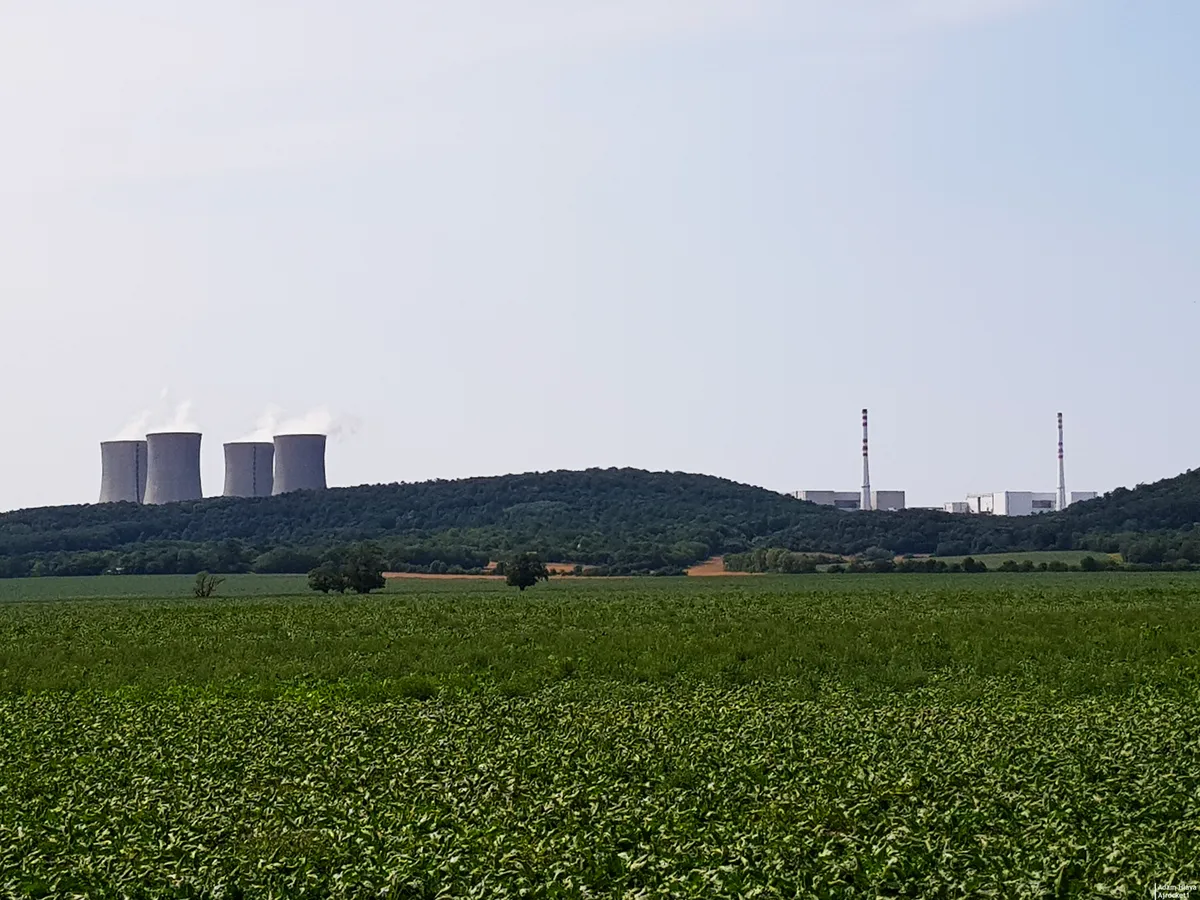
What happened: The fourth unit at Slovakia's Mochovce plant has had its power output raised to 35 percent, up from about 20 percent at its first grid connection in October, after a series of tests and measurements. Checks repeat at 35 percent before output rises in stages to 55, 75, 90 and 100 percent; the final commissioning step for the 471-MWe unit is a 144-hour trial run at full power.
What's genuinely new: The unit has generated about 16.2 GWh so far — equivalent to roughly a year's electricity for 6,500 households — and clears the next rung of the energy start-up program. The 471-MWe unit equals about 13 percent of Slovakia's current consumption; sister unit Mochovce 3 entered commercial operation in October 2023.
Watch: the test program at 35 percent, the staged increases, and the 144-hour full-power trial run.
Brief
- NANO Nuclear Energy will host its fourth-quarter fiscal 2026 business update webcast on November 30, 2026, at 5:00 p.m. ET, following the anticipated filing of its annual report for the fiscal year ended September 30 (NANO Nuclear). The company's KRONOS MMR microreactor remains in the NRC licensing process off a University of Illinois Urbana-Champaign construction permit application.
- BWXT completed an expansion of its Cambridge, Ontario, manufacturing facility, a roughly C$80 million (about US$58 million) investment that adds 55,000 square feet and grows the company's commercial nuclear clean room by 40%. The site is building 48 steam generators for Pickering and fabricating the reactor pressure vessel for the Darlington SMR, and BWXT plans to hire 200 more workers there (BWXT · Defence Industry EU).
- China's Lufeng unit 1 received its first of two steam generators, hoisted into the reactor building on November 11 (World Nuclear News). The unit is scheduled to begin operating in 2030.
- UK fusion developer First Light Fusion will collaborate with researchers at the Science and Technology Facilities Council's Central Laser Facility on the fast-ignition step of its FLARE inertial-confinement concept — modeling how energetic electrons from the laser deposit their energy into compressed fusion fuel, with engineered target structures and magnetic fields among the approaches. The company says it has validated the compression half of the concept with a pulsed-power driver, and the laser program is the route toward integrated FLARE experiments (ANS Nuclear Newswire).
- University of Manchester researchers at the National Nuclear User Facility's RADER laboratories report two ways to immobilize technetium-99, a long-lived radioisotope that moves easily through water and soil at legacy sites such as Sellafield and Hanford: locking it into layered double hydroxide minerals as they form, and binding it via a nuclear-medicine ligand and hydroxyapatite — each removing 99 percent of the dissolved radioisotope from solution in tests (ANS Nuclear Newswire).