Space digest — Nov 15, 2026
Top line: SpaceX caught a Starship upper stage in the launch tower's arms after about 22 hours in orbit, though the booster was lost on the same flight. ULA's Vulcan failed about 10 minutes into its return-to-flight launch, losing 40 Amazon Leo satellites. Rocket Lab's Electron reached 100 launches on November 14.
- SpaceX catches a returning Starship upper stage in the launch tower's arms
- Rocket Lab's Electron reaches 100 launches
- ULA's Vulcan fails on return to flight, losing 40 Amazon Leo satellites
SpaceX catches a returning Starship upper stage in the launch tower's arms
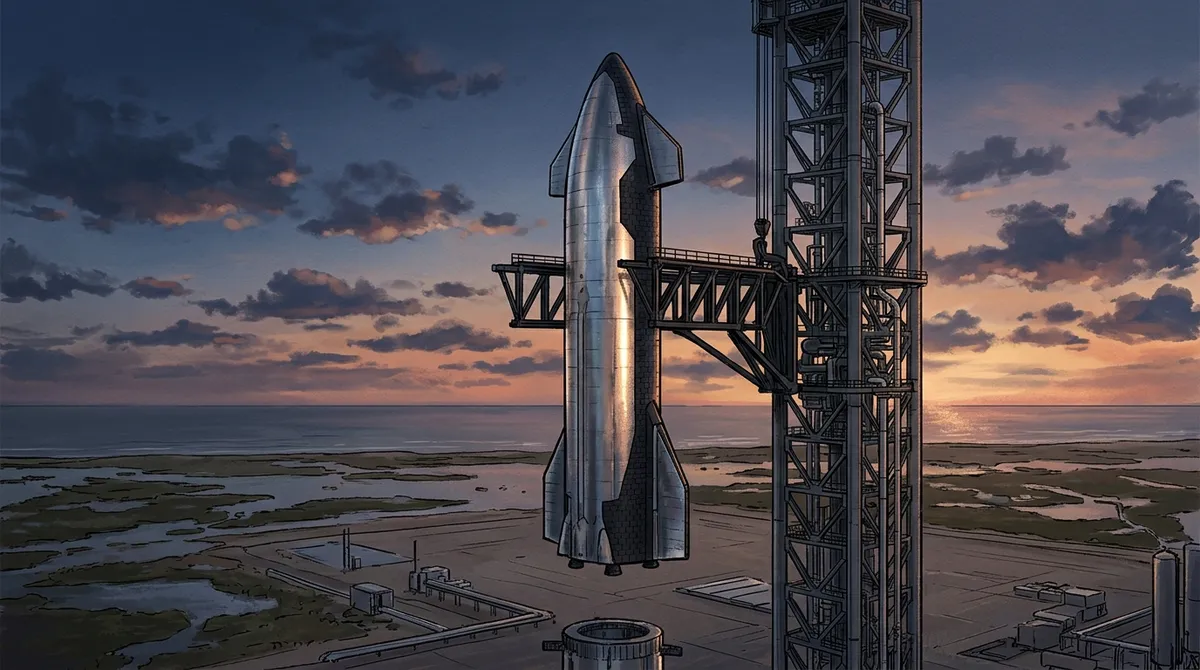
What happened: On November 13, SpaceX launched Starship Flight 15 from Starbase, Texas, and the upper stage deployed 26 Starlink V3 satellites. The booster's tower catch was called off and it diverted to the Gulf of Mexico, where it exploded. On November 14, the upper stage, Ship 42, returned after about 22 hours and 14 orbits and was caught by the launch tower's mechanical arms. AP calls it the first-ever capture of a Starship flying back from space, though it fell short of SpaceX's double-catch goal.
What's genuinely new: The catch is the first time a returning Starship upper stage has been caught by the tower. SpaceX said everything on the spacecraft, including its heat shield, appeared to work well. The booster's guidance system judged it was out of position and started its own detour, according to SpaceX's Kate Tice, and engineers are still investigating the cause. No independent inspection of Ship 42 has been published yet.
Watch: The cause of the booster failure, the post-flight inspection of Ship 42 before any reflight, and the first Starship launches from Florida's Kennedy Space Center, which AP says are expected within months.
Rocket Lab's Electron reaches 100 launches
Sources Tech Times B2B News Shattered reports
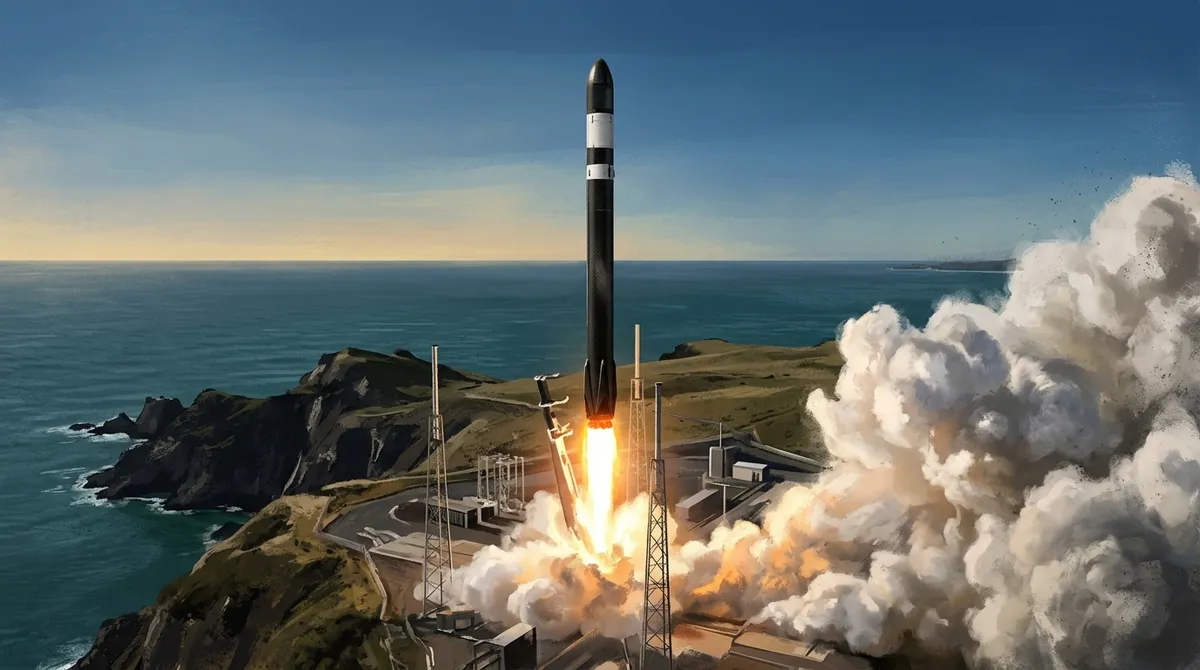
What happened: Rocket Lab's Electron flew its 100th launch on November 14 from Launch Complex 1 on New Zealand's Māhia Peninsula. The mission, called "The Mountain God Rises," placed YAMATSUMI-II, a radar imaging satellite for Japan's iQPS, into a 575 km orbit. Rocket Lab says Electron is the fastest commercially developed rocket to reach 100 launches. Chief executive Peter Beck cited a 96% reliability rate across 99 launches.
What's genuinely new: Electron has had 59 straight successful flights since its last failure, and its four failures all came by flight 41. The 100 count includes suborbital HASTE test flights, so the orbital-only count is lower. Tech Times estimates about 91 orbital launches, a figure its own arithmetic produced rather than one Rocket Lab published. The milestone mission was iQPS's 11th Electron launch, and the company says seven more dedicated iQPS launches are booked through 2030.
Watch: Whether Rocket Lab publishes an orbital-only launch count, and whether the booked iQPS launches fly on schedule.
More context: Rocket Lab reports that its 100th Electron launch on November 14 placed the YAMATSUMI-II radar satellite for iQPS into a 575 km low Earth orbit from New Zealand, and that Electron reached 100 launches faster than any other commercially developed rocket.
ULA's Vulcan fails on return to flight, losing 40 Amazon Leo satellites
Sources Space.com CBS News Spaceflight Now Orlando Sentinel Ars Technica ULA statement, as reported by the Orlando Sentinel NASASpaceflight
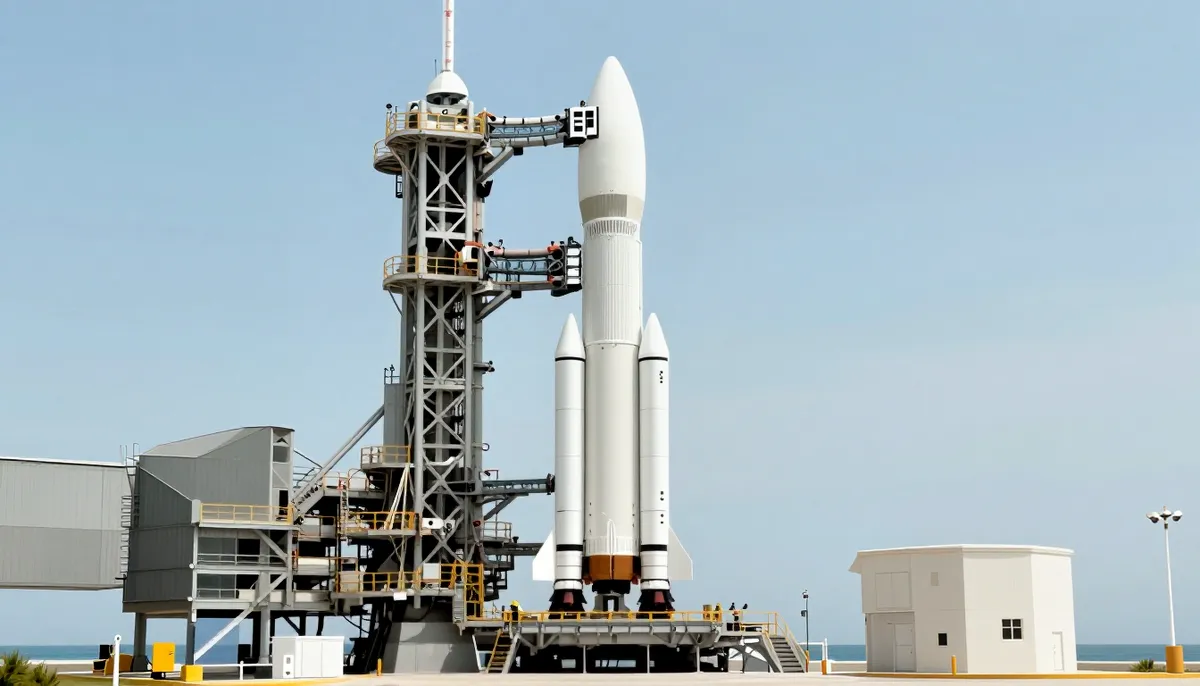
What happened: ULA's Vulcan lifted off from Cape Canaveral's Space Launch Complex 41 on November 15 carrying 40 Amazon Leo satellites, the first of 38 Vulcan missions Amazon has booked and the rocket's first flight in nine months. About 10 minutes into the flight, ULA said, the vehicle suffered an anomaly and failed to deliver the satellites to orbit.
What's genuinely new: It is the first total mission failure in ULA's history, dating to the company's 2006 formation. Spaceflight Now reported that the first stage burned longer than planned and the Centaur upper stage made unusual orientation adjustments early in its burn. Ars Technica, citing multiple sources, placed the problem in the booster stage, where the BE-4 engines kept firing at least 30 seconds past planned shutdown. The solid boosters appeared to work normally. ULA has not identified the cause, and Amazon said it believes ULA will learn from the mission.
Watch: The cause of the failure, the timing of Vulcan's next flight, and when the Space Force clears national security missions on Vulcan.
Brief
- Rocket Lab's $3.91 billion equity raise for the Iridium purchase lifted its share count 17.6% in nine months, according to an aggregator summary of the company's filings. The Iridium deal is expected to close in early 2027. (AInvest)
- Hathor Rockets, a Chennai rocket-engine startup, signed an MoU with the Andhra Pradesh Economic Development Board to acquire 150 acres in Tirupati Space City for an engine design, manufacturing and testing facility. The planned investment is Rs 250 crore (about US$28 million at roughly 89 rupees to the dollar) over three to five years, with 250 direct jobs envisaged. (The Week)